
Unveiling Eastern Traditions
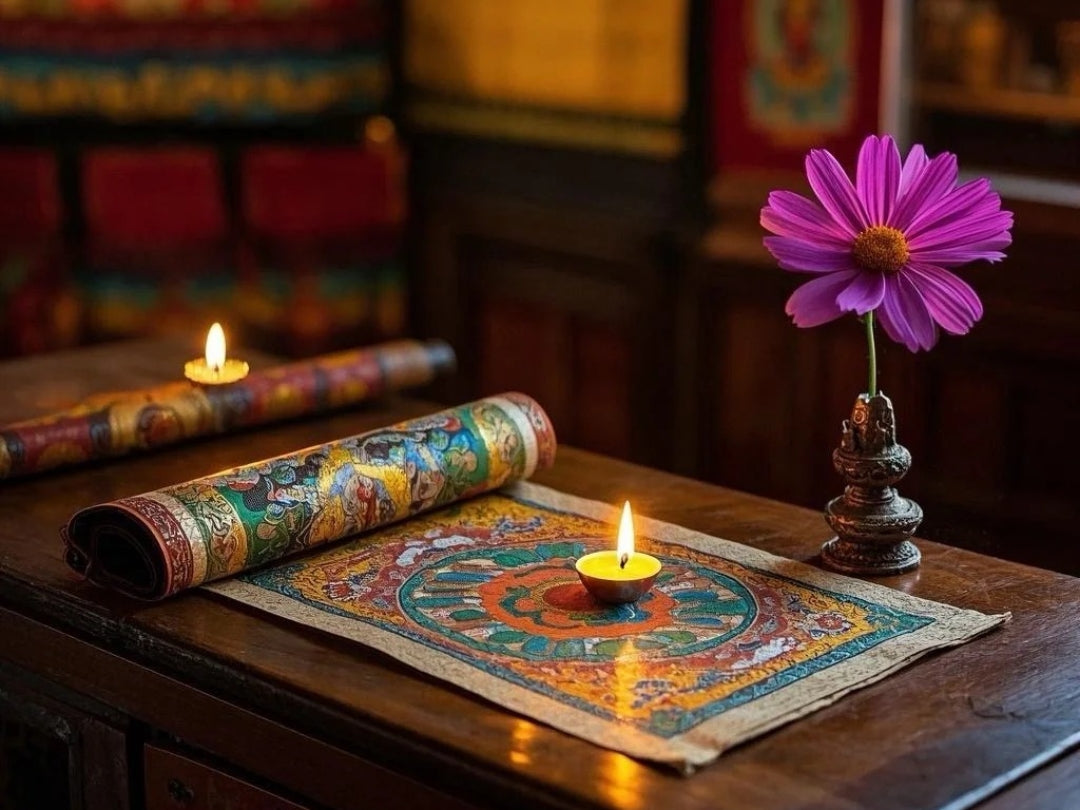
The Spiritual Significance of Tibetan Thangka Art in Jewelry
Tibetan Thangka art is more than a visual masterpiece—it's a sacred expression of spiritual philosophy, meditation, and devotion. For centuries, these intricate scroll paintings have been used as t...
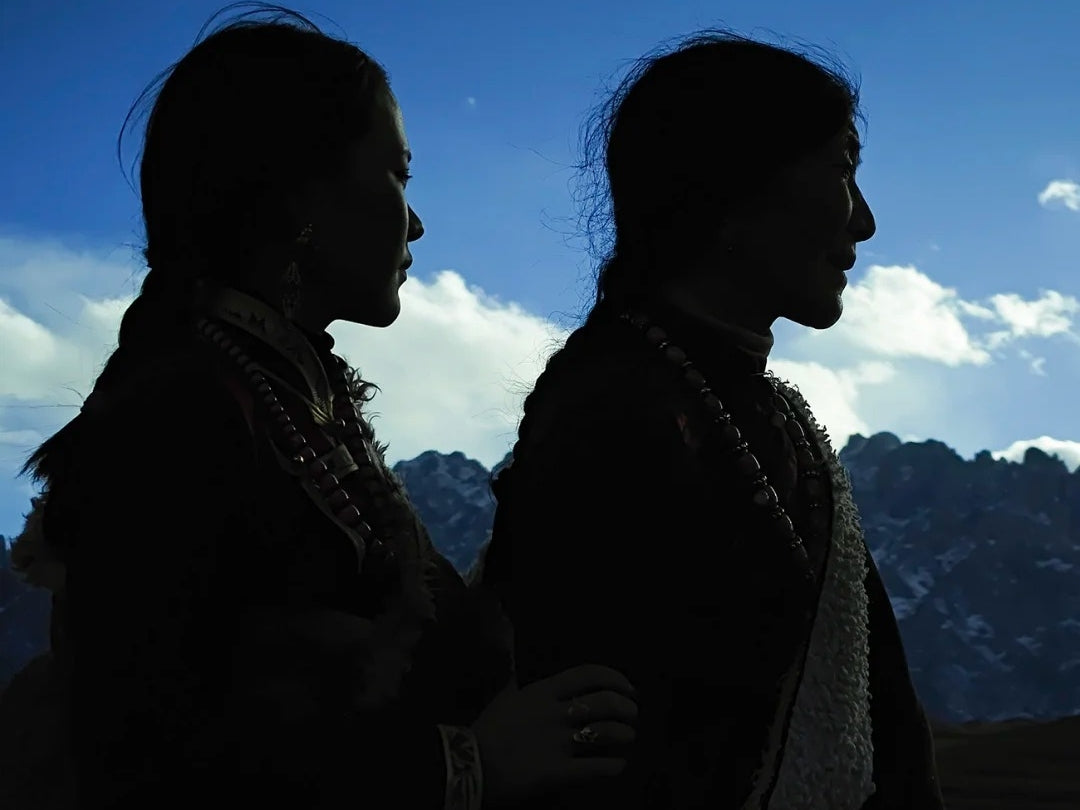
The Healing Power of Tibetan Jewelry: Balancing Mind and Spirit
Tibetan jewelry is much more than just a decorative accessory—it holds centuries of tradition, spiritual meaning, and, for many, powerful healing properties. Rooted deeply in Tibetan culture, these...
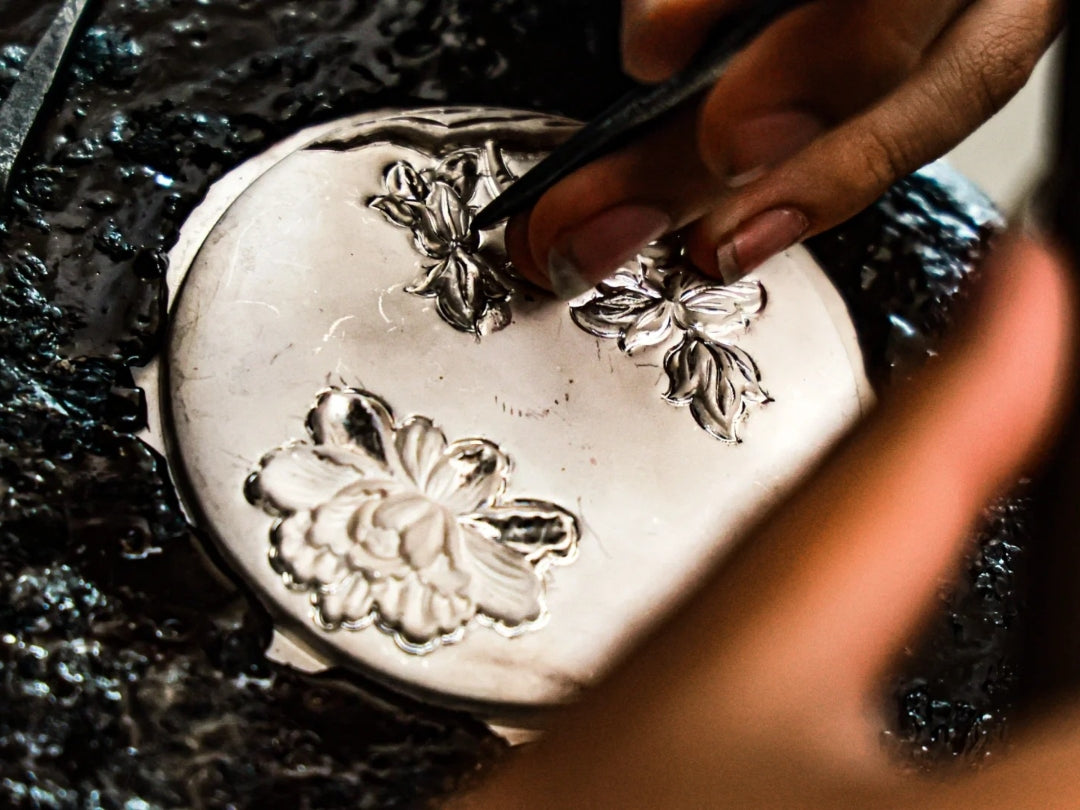
Mantras in Metal: How Sound Vibrations Shape Sacred Engravings
When you wear a piece of Tibetan Buddhist jewelry, especially one etched with sacred mantras like Om Mani Padme Hum, you’re carrying more than just a symbol—you're holding a vibration. At QiLing Au...
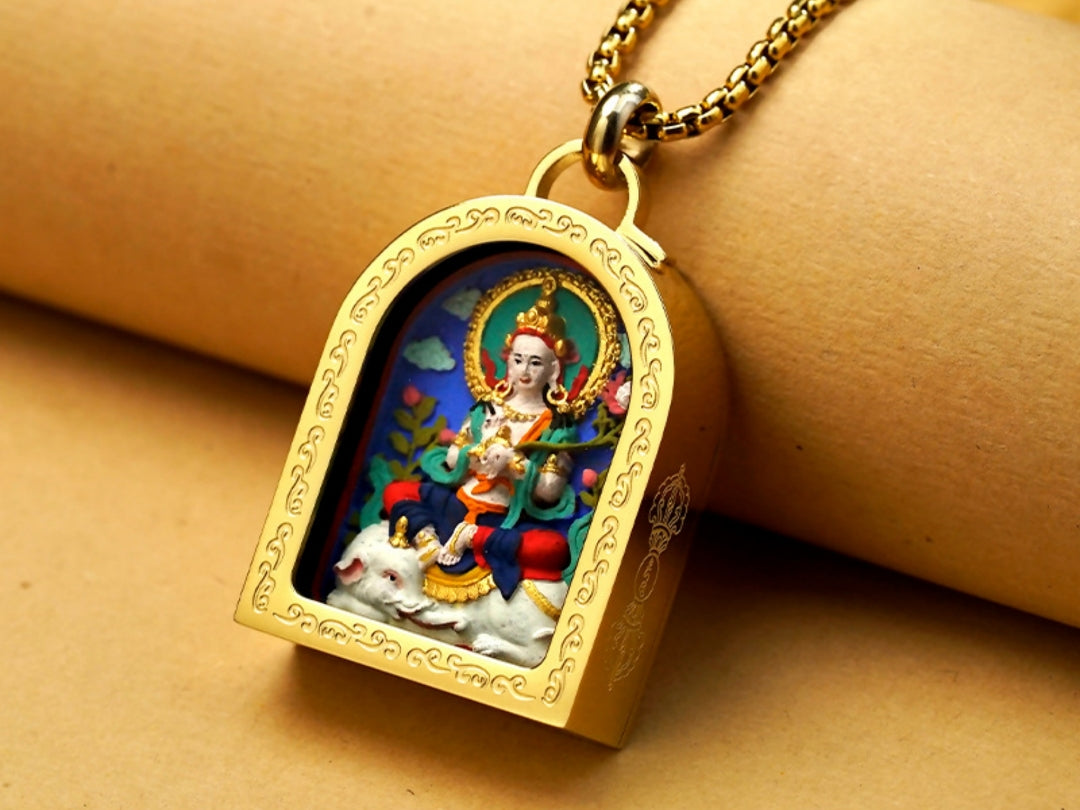
When Tibetan Ga Wu Boxes Met Victorian Lockets: A Cross-Cultural Love Story
In the mid-1800s, daring British explorers and missionaries returned from the Himalayas carrying more than just tales of snow-capped peaks—they brought back Tibetan Ga Wu Boxes, small “little shrin...
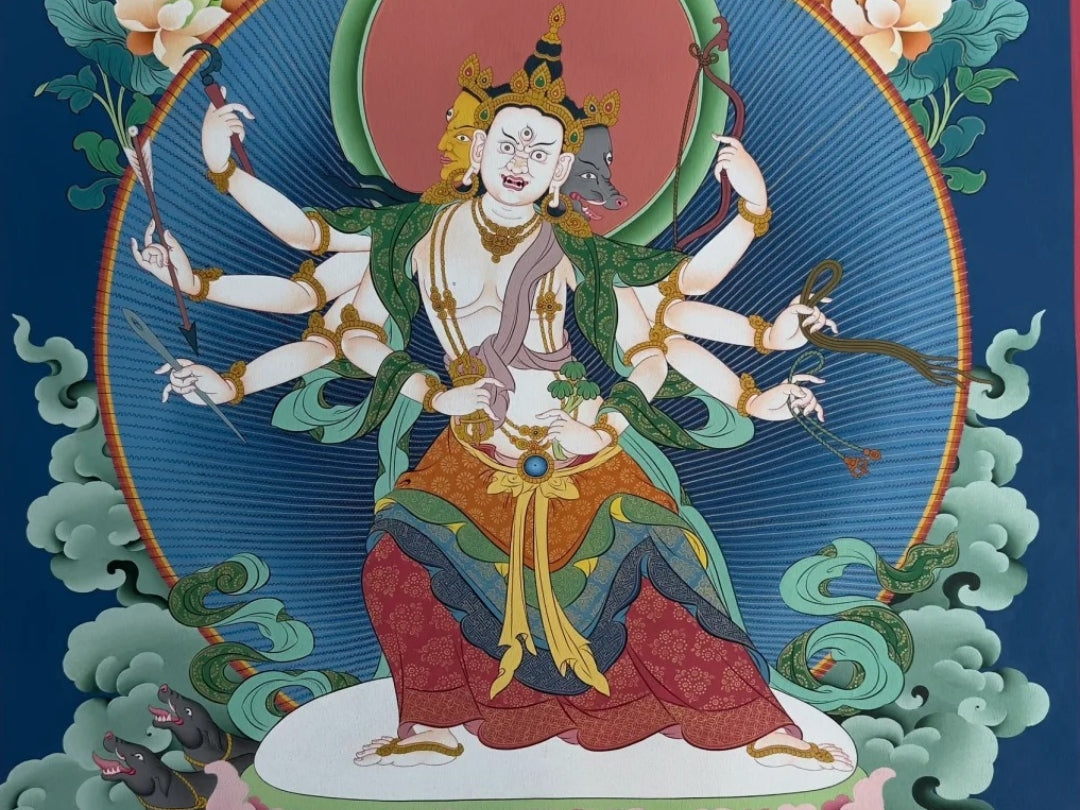
Marici Bodhisattva (Marīcī): Origins, Legends, and Her Role as the Invisible Protector
In Tibetan Buddhism, Marīcī Bodhisattva (摩利支天菩萨), also called Marīcī, Marīcīdevī, or Marīcīdevī Bodhisattva, is revered as a powerful guardian deity. Her name—meaning “ray of light” or “flame of th...
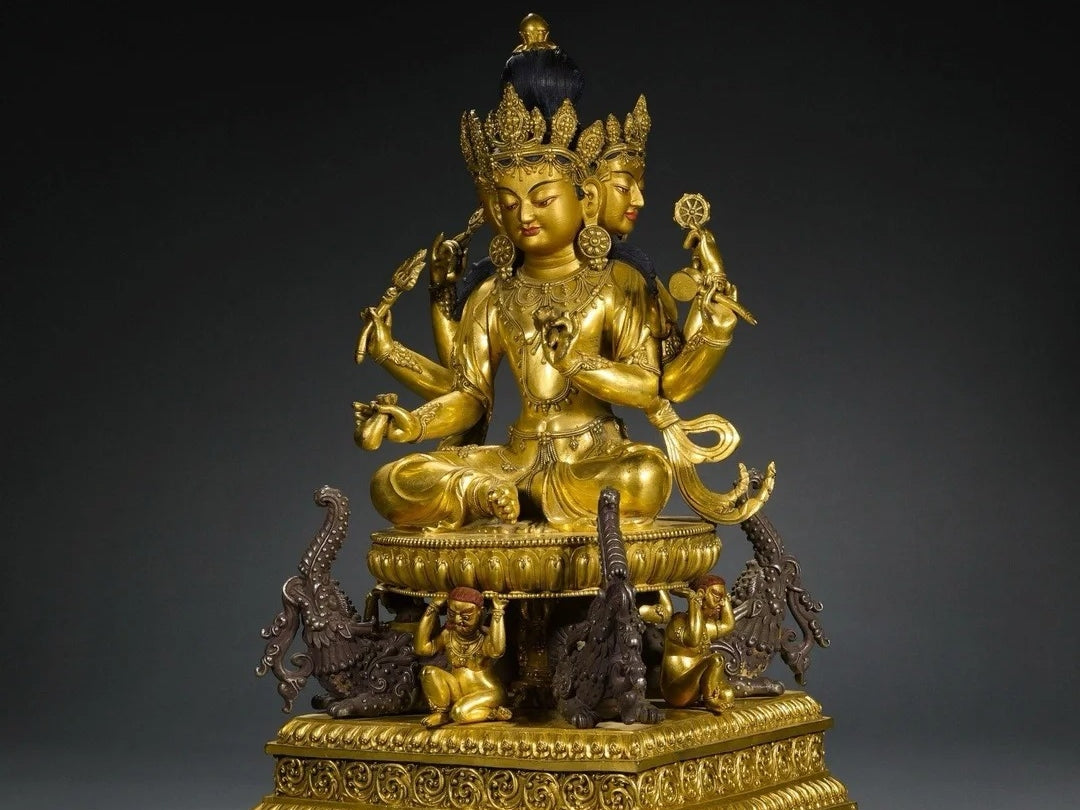
Marici (Marīcī): The Invisible Protector and Disaster Remover in Tibetan Buddhism
In Tibetan Buddhism, Marīcī (摩利支天) is revered as a powerful protector deity, renowned for her ability to vanish at will and remove obstacles from the lives of practitioners. Originally a Sanskrit g...
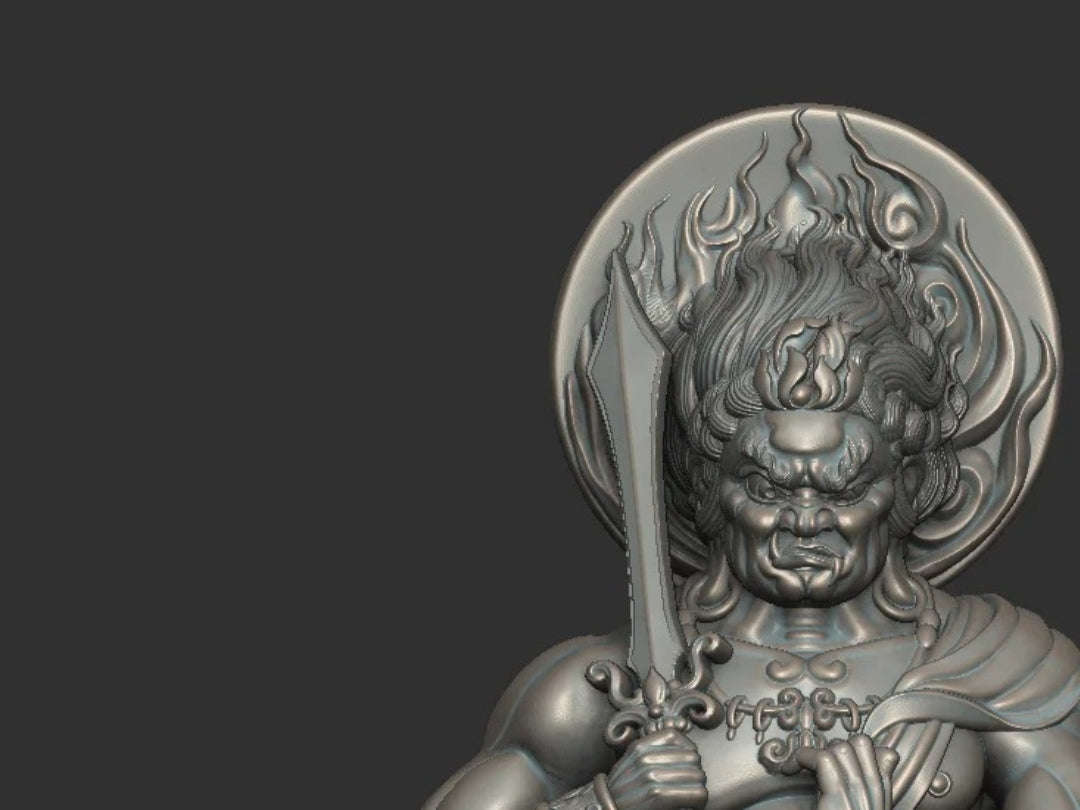
From Warrior to Protector: The 1,200-Year Evolution of Acala’s Sword
Acala (Fudo Myo-o), known in Tibetan as Vajra Ishta, holds a unique place in Tibetan Buddhism as the Immovable Protector. Central to his iconography is the sword—an emblem that has evolved over twe...
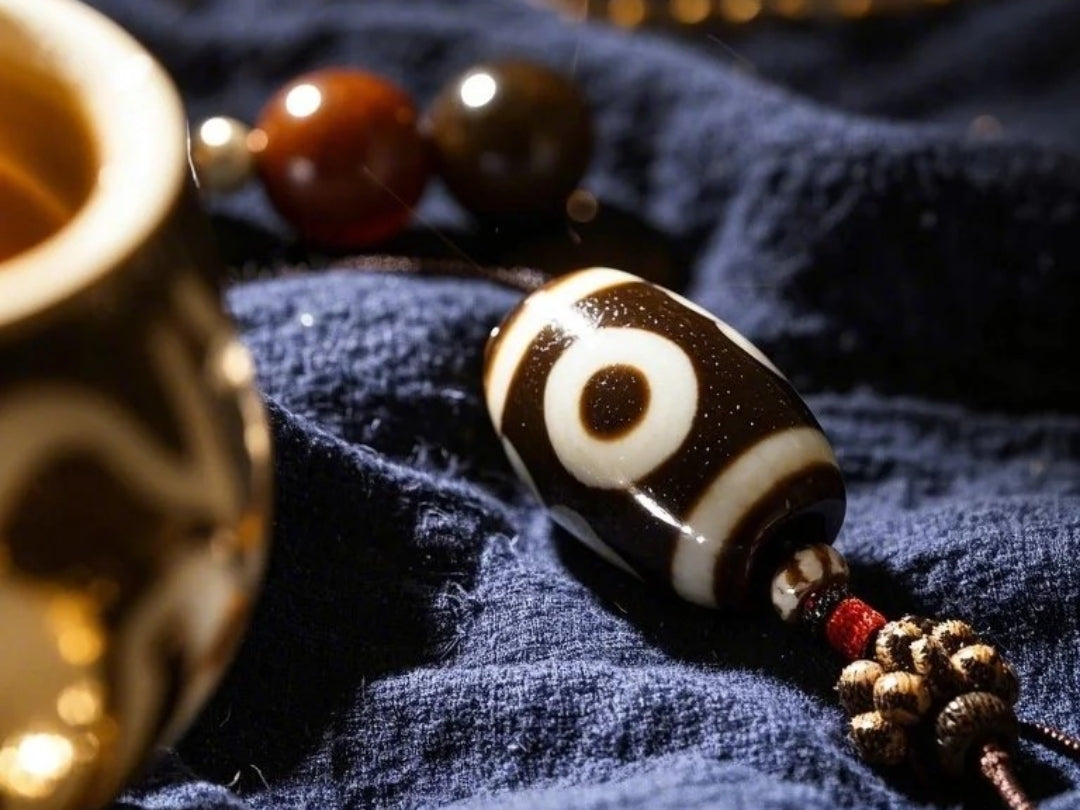
Dzi Beads: The ‘Heaven’s Eyes’ That Geologists Can’t Explain
For centuries, Dzi beads (Tibetan: gzi-ba) have captivated collectors, geologists, and spiritual seekers alike. Also known as “heaven’s eyes,” these ancient agate beads are prized for their distinc...
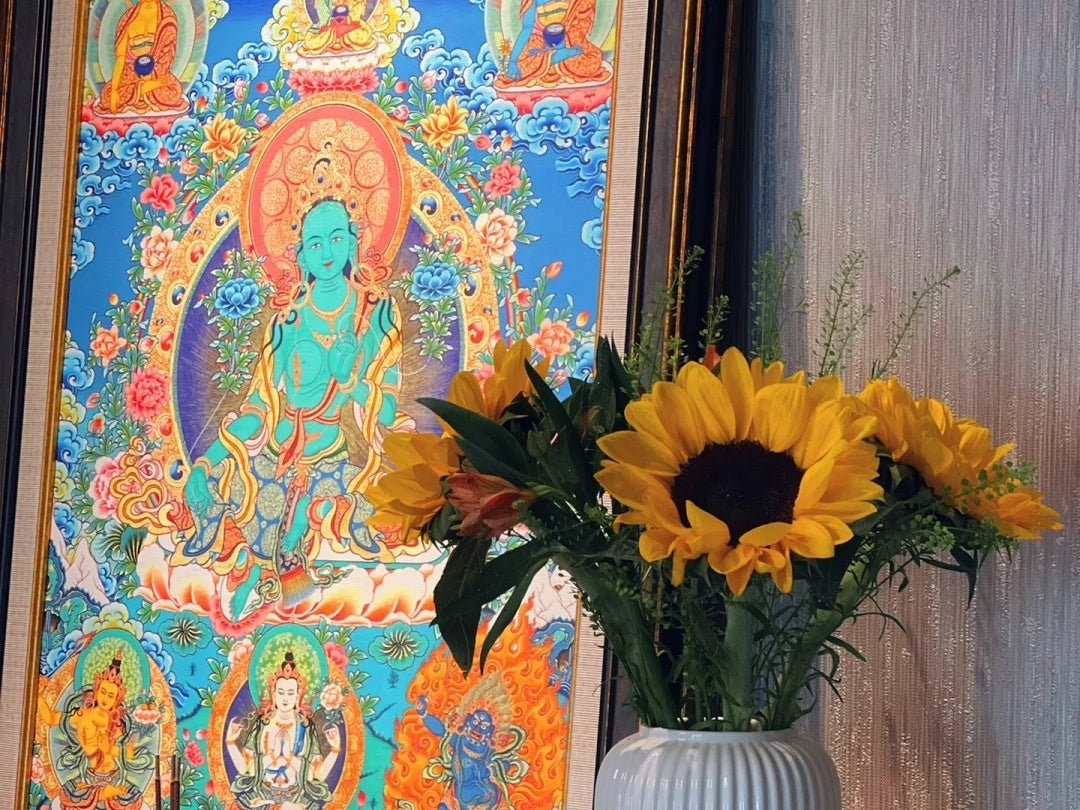
Why Green Tara’s Posture Holds a Secret About Human Psychology
Green Tara, one of Tibetan Buddhism’s most beloved figures, is often depicted seated with her right foot extended toward the ground. At first glance, it seems a simple artistic choice—but this post...