
Unveiling Eastern Traditions
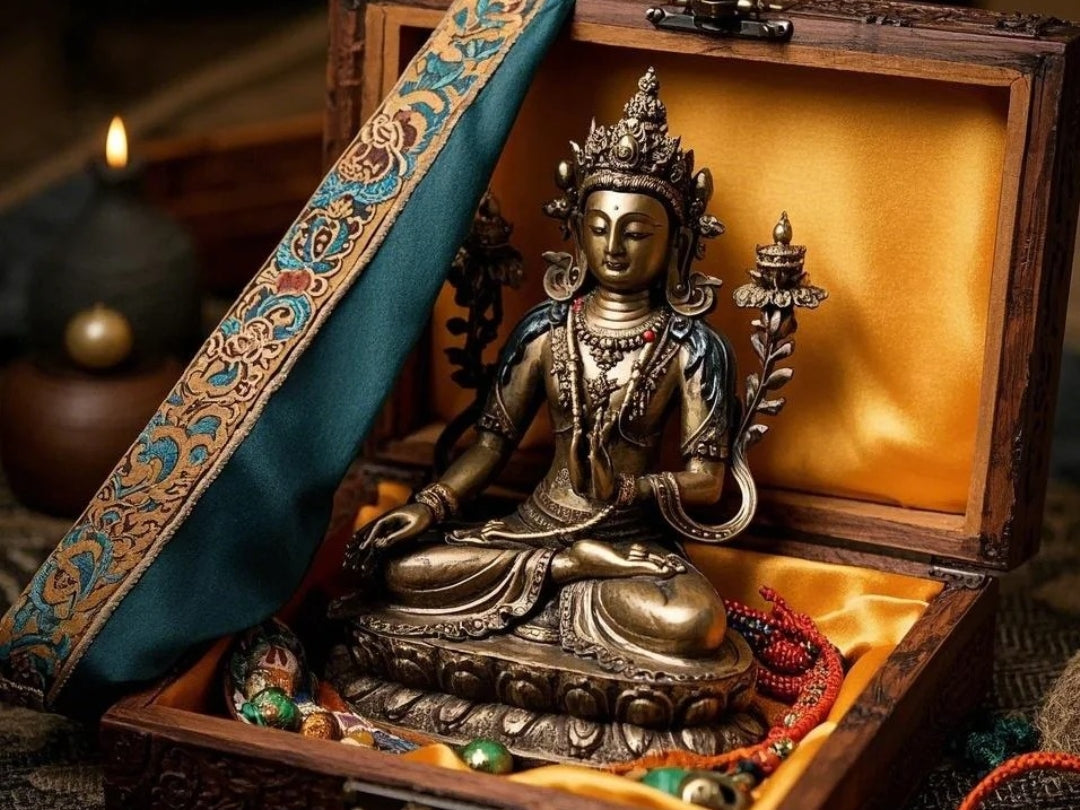
Gift of Mindfulness: Combining Jewelry and Practice in Holiday Packages
As the holiday season approaches, many of us search for gifts that mean more than a passing moment of surprise. We want something that feels grounding—something that encourages peace, reflection, a...
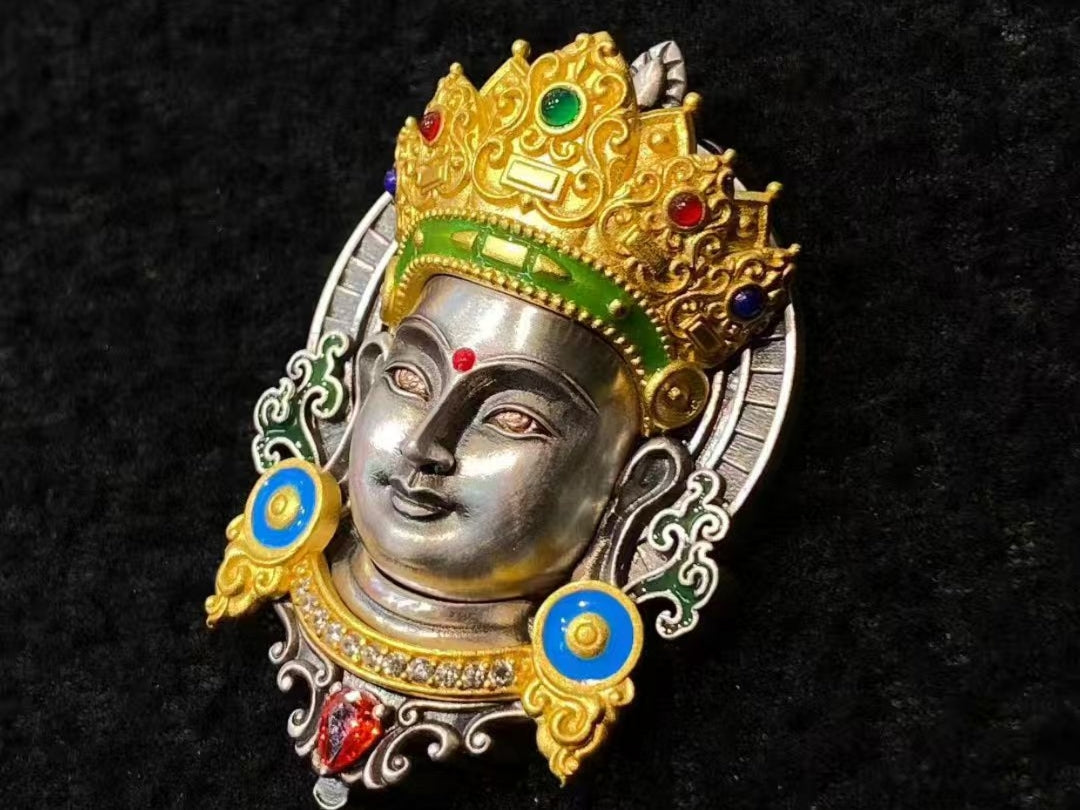
Gift with Meaning: How to Educate Loved Ones About Tibetan Symbolism When You Give
Gift-giving is more than a seasonal gesture—it’s a way of sharing values, stories, and culture. When you offer a handcrafted Tibetan pendant or a miniature Thangka painting, you’re not just giving ...
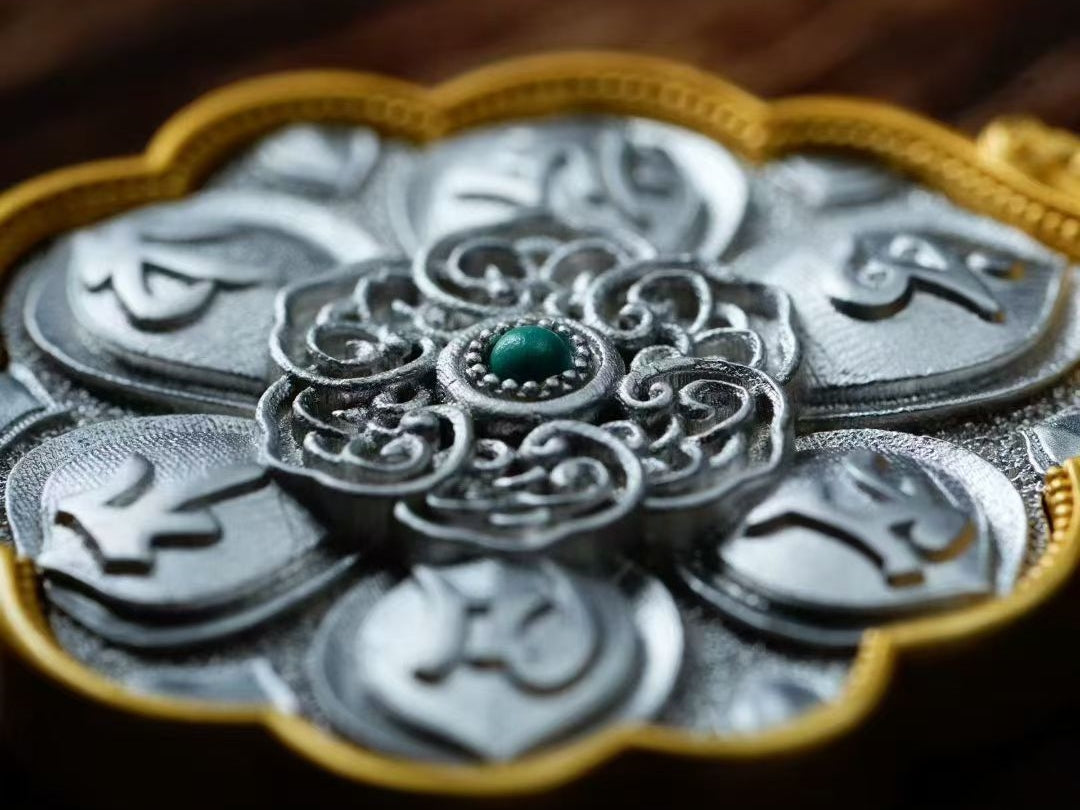
From Heart to Home: Using Sacred Jewelry as Christmas Ornaments (Respectfully)
The holiday season invites warmth, gathering, and meaning — and for those drawn to ancestral symbols and craftsmanship, sacred jewelry offers more than personal adornment. Imagine a small pendant b...
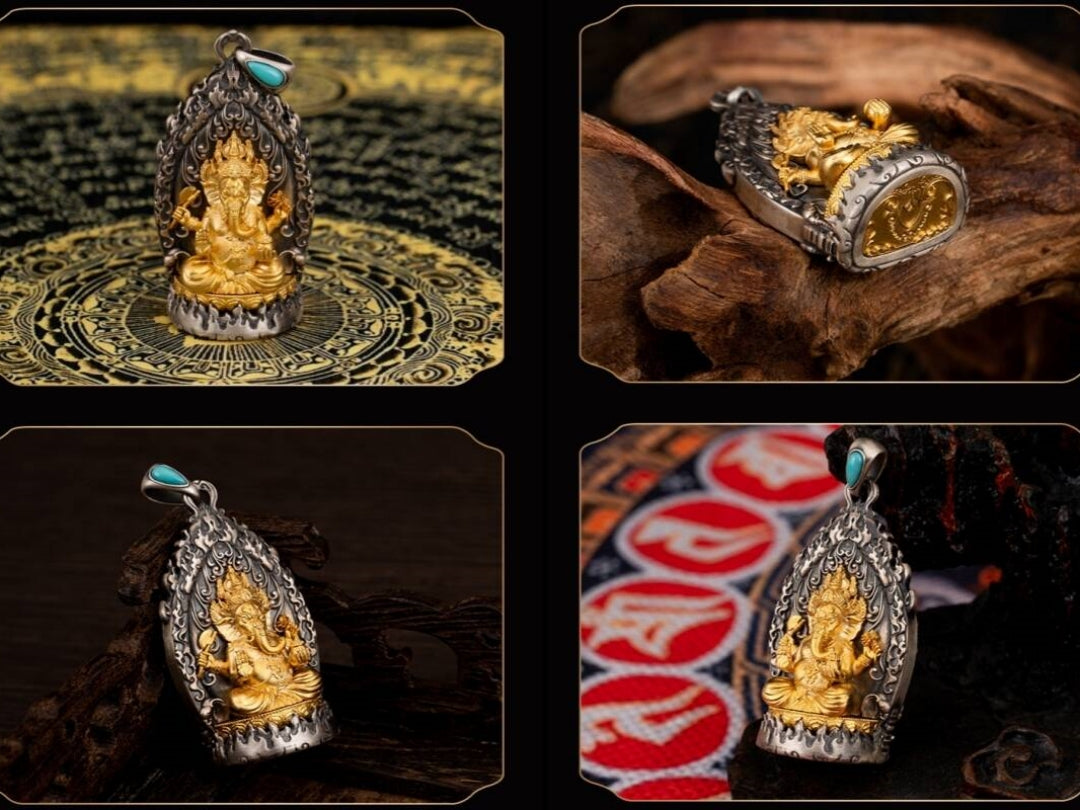
Eco & Ethos: Sustainable Tibetan Gifts for a Conscious Holiday Season
The holidays are a time of giving—and what we give can reflect more than just our budget. It can reflect our values. This year, in the spirit of mindful gratitude, consider selecting a gift that ho...
Early Bird Spirit: Tips for Holiday Pre-Ordering of Himalayan Jewelry
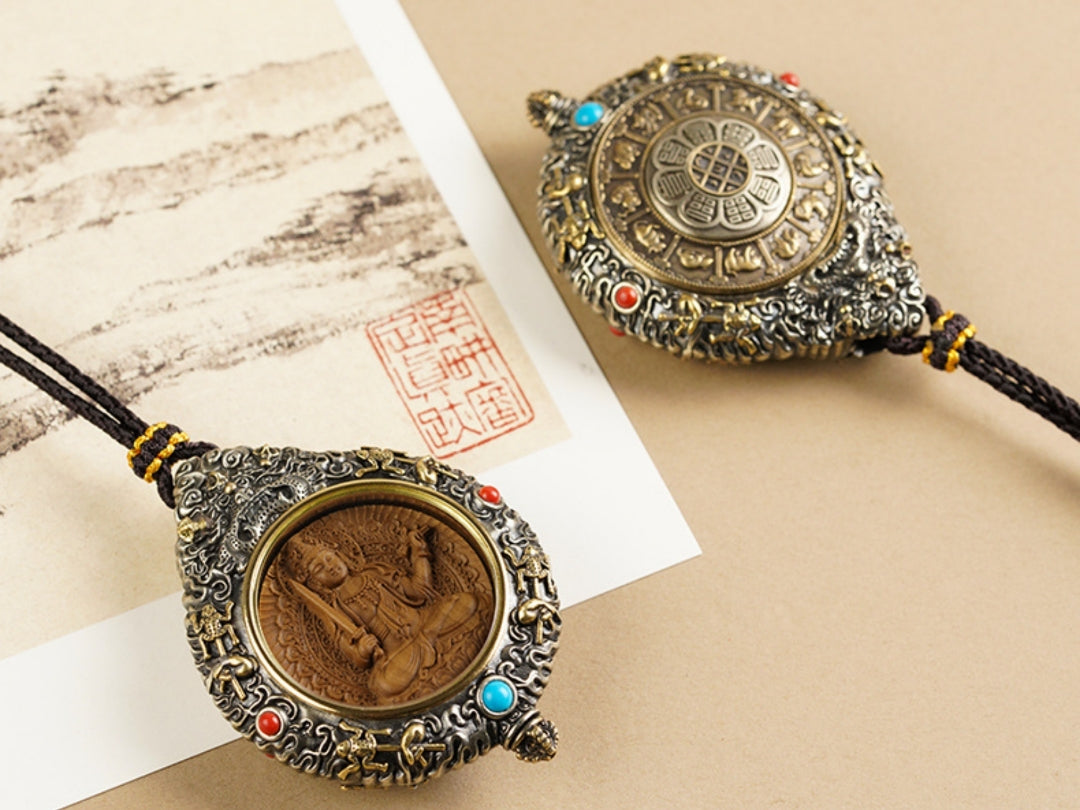
The holiday season always arrives faster than expected. Between travel plans, family gatherings, and year-end reflections, time seems to disappear—and so do the most meaningful gifts. For those hop...
Black Friday Spiritual Gift Picks: Tibetan Jewelry That Speaks to the Heart
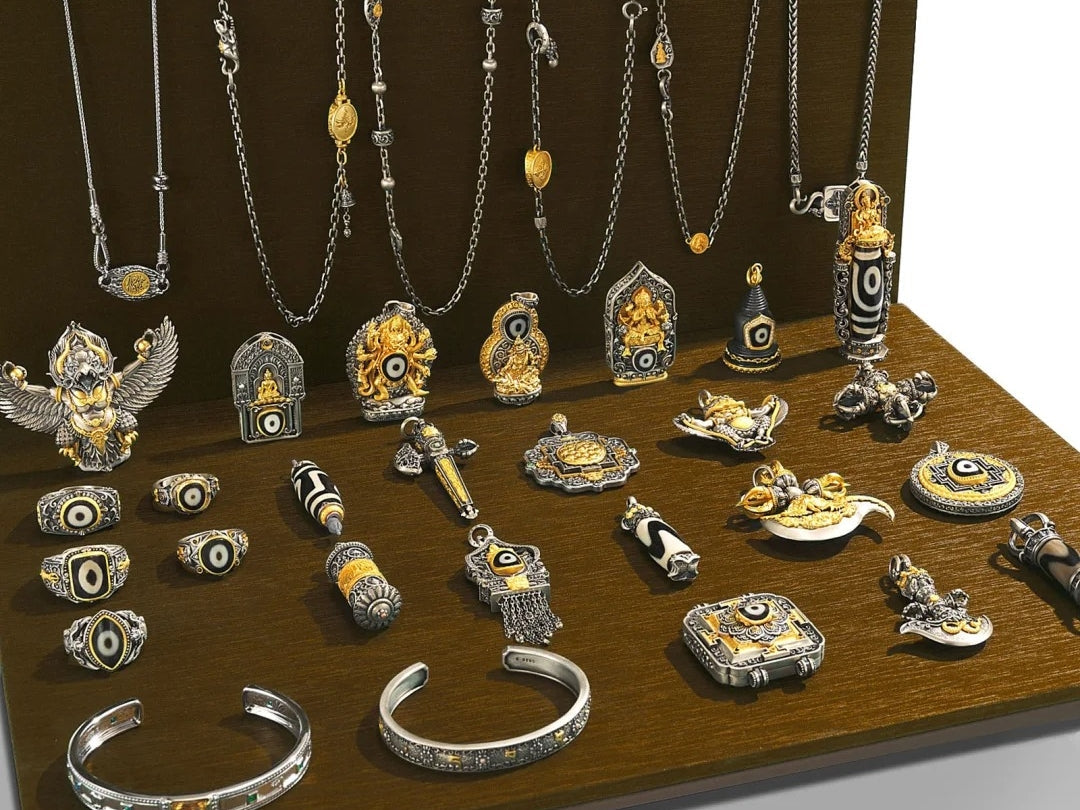
In a season often defined by rush and noise, gifting something truly meaningful can be a quiet act of love. This Black Friday, instead of chasing discounts for the sake of buying, consider giving a...
Tattoos and Thangka: Ethical Questions When Sacred Motifs Become Body Art
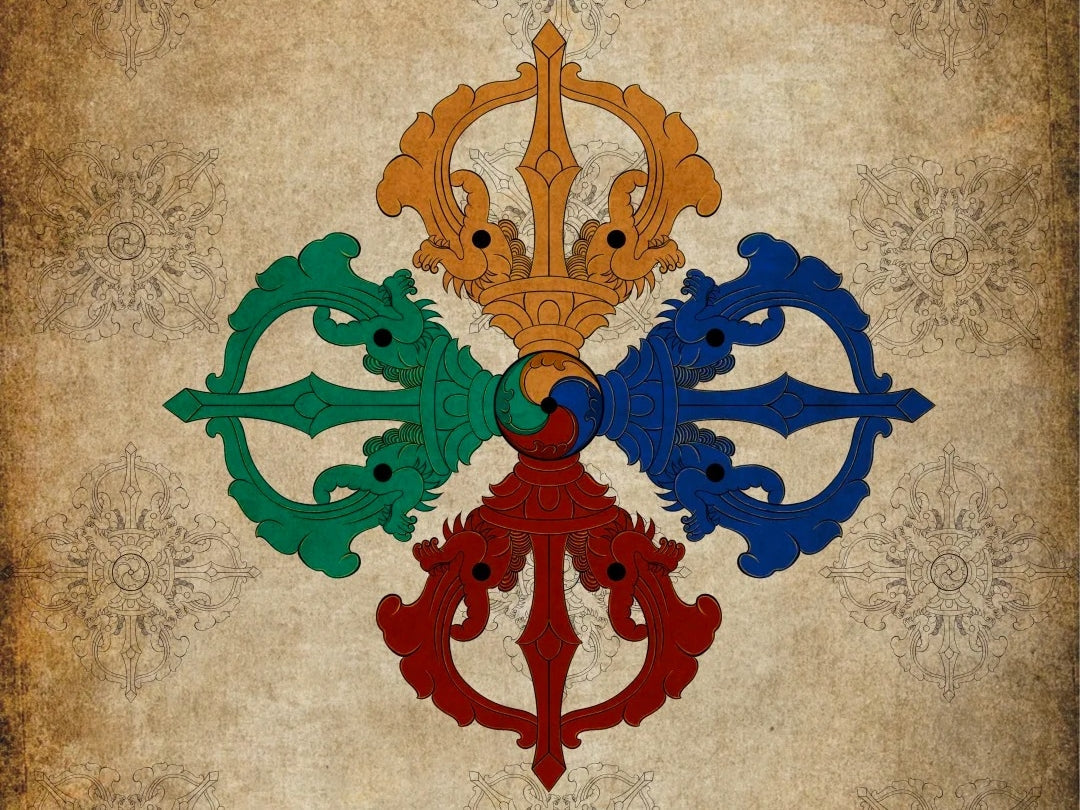
In recent years, tattoos inspired by Tibetan art — from swirling mantras to detailed mandalas and divine figures — have become increasingly popular across the world. For many, these designs symboli...
How to Commission a Custom Thangka Pendant: A Buyer’s Roadmap
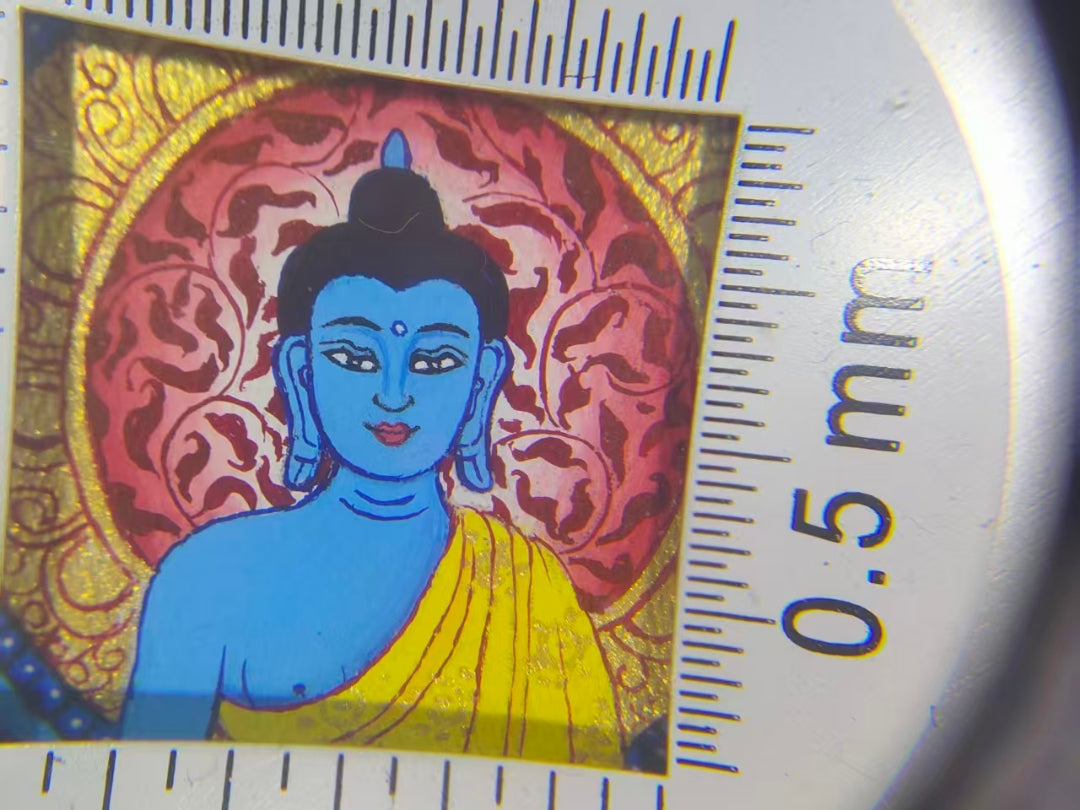
A hand-painted Thangka pendant is far more than jewelry — it’s a sacred image carried close to the heart. Each one combines centuries of Buddhist artistry with modern craftsmanship, serving as both...
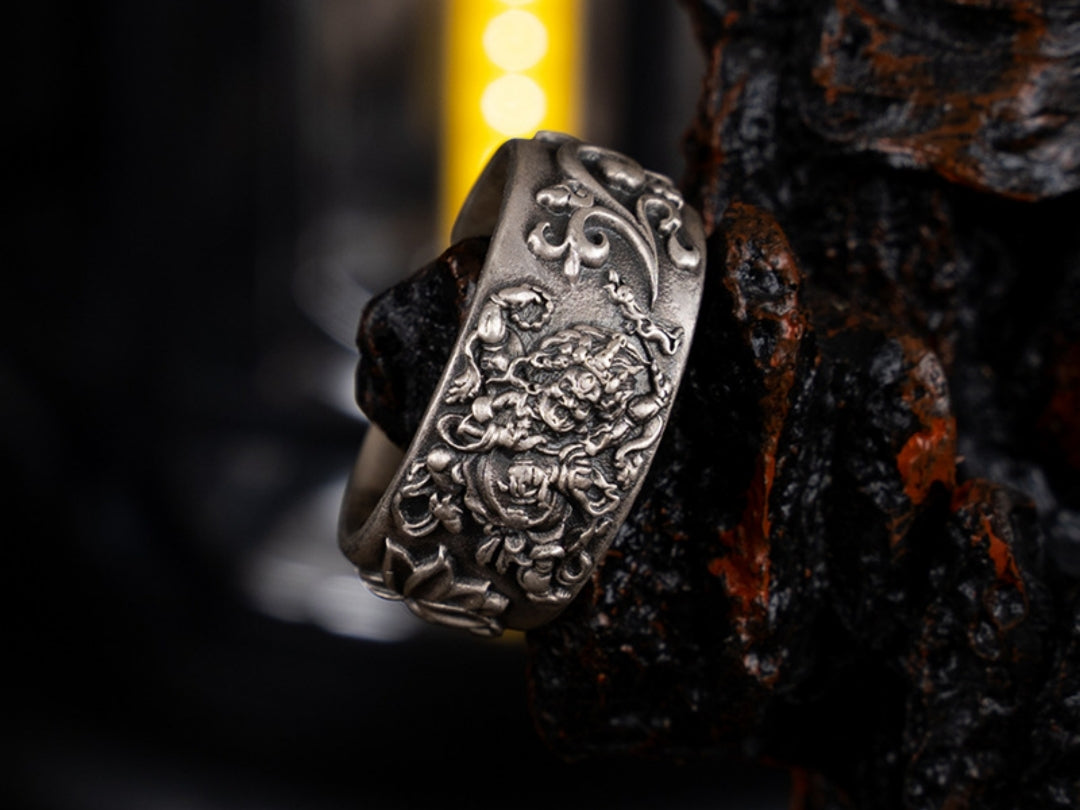
Silver Care 101: Keeping Tibetan Jewelry Beautiful Without Losing Its Story
Tibetan silver jewelry carries more than shine — it holds generations of craft, blessing, and memory. From hand-chased cuffs to deity pendants worn close to the heart, every piece tells a story tha...