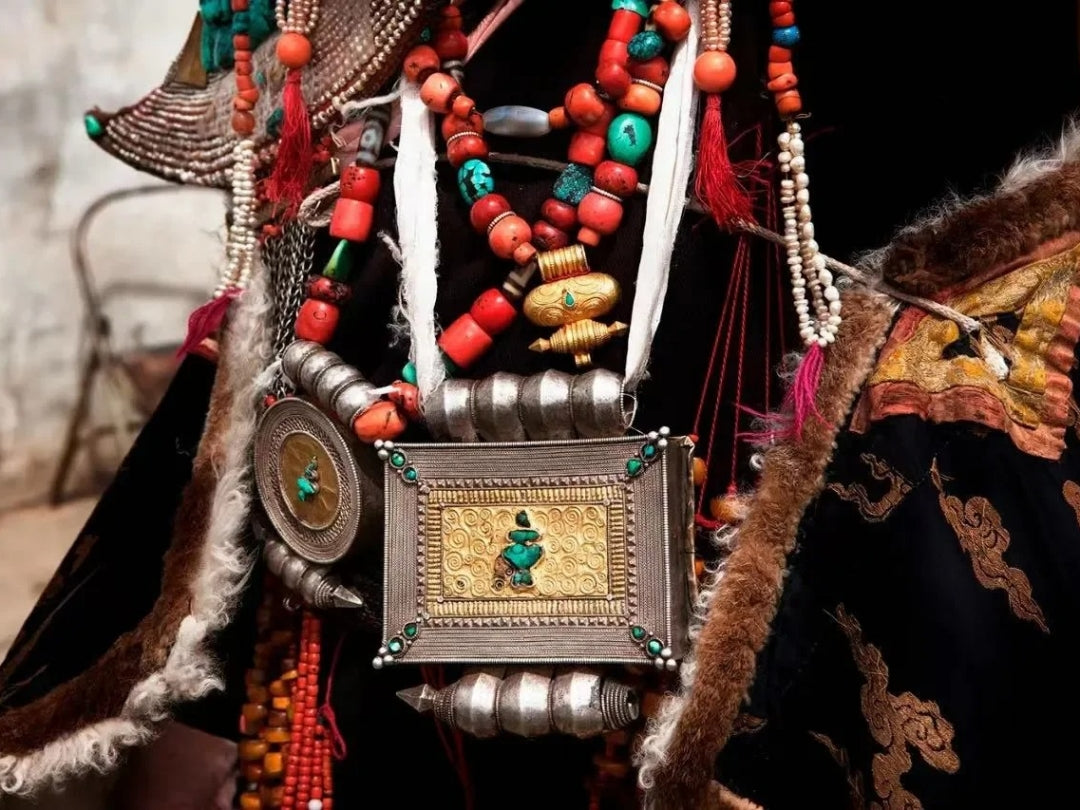

In Buddhist symbolism, few images are as luminous and mysterious as the Mani Jewel.
Often described as a radiant, wish-fulfilling gem, the Mani Jewel appears in sacred texts, artwork, and spiritual teachings across centuries. It is not just a symbol of wealth—but of purity, wisdom, and transformation.
To understand its meaning is to explore a deeper idea: what it truly means to be fulfilled.

The Meaning of “Mani”
The word Mani comes from Sanskrit, where it simply means “jewel” or “precious gem.”
In Chinese Buddhist tradition, it is sometimes translated as “pure” or “free from impurity,” emphasizing its flawless, radiant nature.
Unlike ordinary gemstones, the Mani Jewel is believed to be untouched by dirt or corruption. It shines naturally, symbolizing clarity of mind and purity of intention.
The Wish-Fulfilling Jewel
In many Buddhist teachings, the Mani Jewel is also known as the wish-fulfilling jewel.
It is said to have the power to:
- Grant wishes
- Remove suffering
- Bring abundance and good fortune
- Fulfill both material and spiritual needs
But this doesn’t mean it represents simple desire.
Instead, it reflects the idea that true fulfillment comes from alignment—when wisdom, compassion, and intention come together.

A Symbol of Power and Prosperity
The Mani Jewel is also one of the legendary treasures associated with a Chakravartin—a universal ruler in Buddhist cosmology.
In this context, it symbolizes:
- Authority guided by wisdom
- Wealth used with purpose
- Leadership grounded in compassion
It is not just about having power—but using it responsibly.
The Visual Symbolism of the Mani Jewel
Traditionally, the Mani Jewel is depicted as a glowing gem, often surrounded by flames.
This imagery carries layered meaning:
- Flame-like aura → transformation, energy, and spiritual power
- Bright colors (gold, red, blue) → abundance, vitality, and wisdom
- Lotus base → purity rising above the material world
In some interpretations, the jewel’s light is said to illuminate the entire universe—removing darkness, suffering, and ignorance wherever it shines.

The Mani Jewel and Spiritual Practice
In Buddhist tradition, offering or honoring the Mani Jewel is believed to generate merit—both in the material world and on a spiritual level.
It is said to:
- Bring blessings and protection
- Support personal growth and clarity
- Help accumulate wisdom and compassion
- Encourage both success and inner peace
Because of this, the Mani Jewel is often associated with practices focused on intention, mindfulness, and spiritual development.
A Modern Connection: Symbolism in Spiritual Jewelry
Today, the meaning of the Mani Jewel continues to influence how people connect with symbolic objects.
Many forms of spiritual jewelry meaning draw from this idea of inner clarity and outer abundance.
You’ll often see this reflected in:
- meaningful necklaces representing intention and balance
- symbolic jewelry for mindfulness inspired by ancient teachings
- spiritual protection necklaces that carry both beauty and purpose
- Tibetan spiritual jewelry rooted in sacred symbolism
In some designs, elements like glowing gems, lotus motifs, or enclosed amulets echo the idea of the Mani Jewel—something precious held close, both physically and symbolically.

Beyond Wealth: The Deeper Message
While the Mani Jewel is often associated with prosperity, its deeper meaning goes beyond material gain.
It represents:
- A clear and undisturbed mind
- The ability to transform challenges into growth
- The understanding that true richness comes from within
In that sense, the Mani Jewel is not something you find.
It’s something you cultivate.
Final Thoughts
The Mani Jewel remains one of the most powerful symbols in Buddhist tradition—not because of what it gives, but because of what it represents.
Clarity.
Balance.
Compassion.
Like many meaningful symbols, its value is not in its appearance, but in its meaning.
And whether expressed through ancient teachings or modern forms like symbolic jewelry, the idea remains the same:
The most valuable things are often the ones you carry within.
FAQ: Mani Jewel Meaning
What is the Mani Jewel in Buddhism?
The Mani Jewel is a symbolic, wish-fulfilling gem representing purity, wisdom, and the ability to relieve suffering.
Does the Mani Jewel represent wealth?
Yes, but not only material wealth—it also represents spiritual richness, clarity, and inner fulfillment.
Why is it called the wish-fulfilling jewel?
Because it symbolizes the ability to bring about positive outcomes when guided by wisdom and compassion.
How is the Mani Jewel used today?
Its symbolism appears in art, meditation practices, and spiritual jewelry, representing intention, protection, and mindful living.